


Organization inspiration: by the end of this guide you will have a tailored, room-by-room plan that converts motivation into action — a prioritized list of projects you can complete in staged 1–4 hour sessions. Expect to spend 2–10 hours planning and an initial 8–24 hours implementing, suitable for a motivated beginner to intermediate DIYer.
Before you start
- Basic tools: tape measure, label maker or masking tape and marker, timer, sturdy trash bags (3), donation boxes (2)
- Materials on hand: a mix of clear and opaque bins (3–8), drawer dividers, a hanging shoe/utility organizer, 2 step-stools
- Time blocks: schedule 90–120 minute focus chunks and one half-day for a larger zone
- Mindset: commit to the “one-touch” rule during sessions — decide keep/rehome/discard immediately
For readers who want foundational methods before diving into creative ideas, check the Home Organization Guide with Practical Organizing Ideas for core principles and baseline systems.
What is Organization Inspiration and Why It Matters
Organization inspiration is the creative spark and directional input that moves you from cluttered intentions to workable systems. It’s not purely a list of instructions; it’s a blend of motivation, practical examples, and visual cues that help you imagine a better-functioning home. Inspiration reframes organizing as design and habit-building rather than punishment, which strengthens the organizing mindset and reduces procrastination.
Consider Mara, a working parent who spent two weekends turning a chaotic entryway into a drop zone: her inspiration came from a photo of a “simple entry cubby” and a decision to use multi-purpose furniture. She combined a bench with under-seat bins and a wall-hung charge station; the result cut time spent searching for shoes by 40% (anecdotally reported by the homeowner after 3 weeks).
There are measurable benefits to living in an organized environment. According to a 2023 organizational psychology study, people who reduced visible clutter reported improvements in concentration and stress levels (peer-reviewed study). The psychological impact is as real as the physical: clutter reduction often lowers decision fatigue and makes daily routines faster and calmer.
Organization inspiration matters because it: clarifies goals (what does “organized” mean for you?), provides low-friction starting points, and offers scalable solutions you can adapt across rooms. Inspiration should create permission to experiment—try a storage tilt, evaluate results at 2–4 weeks, then iterate.
Transition: With that mindset set, let’s move into concrete, high-impact ideas that spark transformation across multiple home zones.
Top Best Organization Ideas to Spark Your Home Transformation
- Designate a daily drop zone. Create a single surface by the main entrance with hooks, a bench with storage, and labeled baskets; this reduces friction for keys, mail, and everyday gear and prevents spillover into living zones.
- Use multi-purpose furniture. Select ottomans and benches with hidden compartments or coffee tables with drawers; these pieces deliver storage without extra footprint for small and large homes alike and support flexible living.
- Adopt modular organizers. Stackable bins and modular cubbies adapt to changing needs; label fronts and keep similar items together—rotating modules seasonally saves time and mental load.
- Build vertical storage. Use wall-mounted shelves, pegboards, and hanging organizers to reclaim floor space; vertical systems are high-impact in kitchens, garages, and home offices.
- Implement zone-based kitchens. Assign zones for prep, baking, breakfast, and storage; keep essential utensils and ingredients within 24 inches of their primary work area to shave minutes off daily tasks.
- Invest in drawer optimization. Use adjustable dividers and shallow trays to make small items visible and accessible; a well-ordered drawer saves 3–5 minutes per task on average across a week.
- Use see-through storage selectively. Clear bins and stackable boxes are ideal for pantries and craft supplies to prevent duplication; pair clear bins with consistent labeling for quick inventory checks.
- Create a rotating seasonal closet. Use underbed bins and high shelves for off-season items, and swap every 3–4 months to keep daily wardrobes streamlined. For closet inspiration, see closet organization tips and custom closet systems.
- Adopt digital-first paper habits. Scan receipts, manuals, and warranties into a cloud folder and keep one small accordion file for truly needed physical documents—set a 10-minute monthly review to purge.
- Corral small, frequently used items. Use wall-mounted magnetic strips for tools and spices, and tray organizers for remotes and chargers; this reduces time hunting and keeps surfaces clearer.
- Establish “one in, one out” rules for similar categories. For every new clothing or décor item you bring in, remove one—this keeps accumulation in check and supports intentional shopping habits.
- Make use of hidden storage in stairs and under stairs. Drawers, pull-out shelves, and cubbies under stairs are transformative for shoes, seasonal gear, or pet supplies.
- Choose flexible shelving systems. Adjustable shelves in pantries, closets, and garages let you reconfigure spaces quickly as needs change—pair with closet shelving ideas for inspiration.
- Use color-coding for family coordination. Assign a color per family member for bins, labels, and hooks—this visual shorthand speeds sorting and reduces arguments over shared spaces.
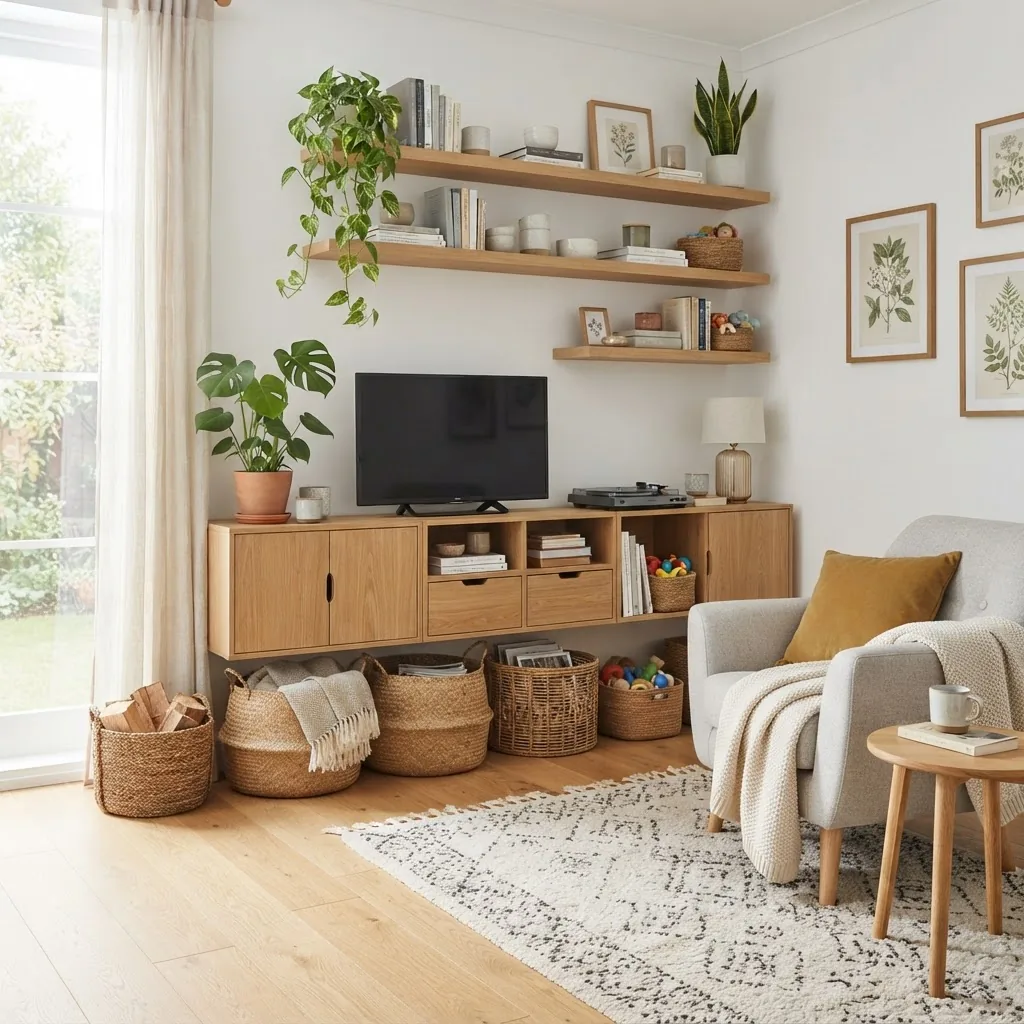
- Try “boutique-style” open shelving. Style open shelving with containers and purposeful gaps to balance aesthetics and accessibility; rotate items monthly to keep the look fresh.
- Experiment with time-saving curation. Keep “ready-to-go” kits: a work-from-home charge kit, a gym bag, and a travel toiletries kit. Having pre-packed kits saves prep time before events.
These ideas are intentionally broad so you can adapt them to different scales. For compact living inspiration, see our apartment organization ideas for small spaces. If you need closet-specific inspiration, explore DIY closet systems and budget-friendly DIY organizing ideas.
Transition: These concepts prepare you to design your own system — next we walk through the exact steps to convert inspiration into a personalized plan.
How to Use Organization Inspiration to Create Your Own System
Below is a practical, seven-step hands-on workflow you can complete in roughly 2–10 hours depending on home size. Each step is action-first and measurable.

- Assess your space and habits (45–90 minutes). Walk each room and list top friction points: where you lose items, what accumulates, and which tasks take the longest. Measure closet widths, shelf depths, and entryway clearance. Record three repeat problems per room.
- Set clear, time-bound goals (15–30 minutes). Convert problems into goals with deadlines: e.g., “Reduce kitchen counter clutter by 80% in 14 days,” or “Create a school-drop zone this weekend.” Use a timer and write goals on a sticky note for focus.
- Prioritize zones (15 minutes). Rank zones by daily impact and feasibility: high-impact quick wins (entryway, bedside) first; larger projects (garage, full closet systems) scheduled into weekend blocks. Aim to complete at least two high-impact zones in the first month.
- Select tools and products (30–60 minutes). Choose items that meet stated criteria: size, sustainability, and maintenance. For example, pick clear stackable pantry bins sized to your shelf depth (measure twice), and choose recycled or PEFC-certified materials for eco-friendly organizers. For pantry-specific configurations, see pantry can organization.
- Assign functions and label (60–180 minutes). Physically place items in their new zones, then label containers and shelves. Use durable labels and a consistent naming system (e.g., “Kids Art — Top Bin”). Spend at least 10 minutes teaching household members the system and their responsibilities.
- Implement a maintenance routine (10–20 minutes daily). Create a micro-routine: a 10-minute evening reset for high-traffic areas and a 20-minute weekly tidy for service zones. Use a shared family calendar or a chore app to assign weekly checks.
- Review and iterate (30 minutes at 2–4 weeks). After two weeks, evaluate: Are items ending up in the right place? Is access efficient? Adjust container sizes, move zones, or simplify labels. Repeat this review quarterly.
Common mistakes and how to avoid them
I once recommended clear shoeboxes to a client who then found the visual clutter overwhelming; we solved it by swapping to opaque bins with front labels and a weekly inventory check. From that experience I learned to test visual impact before buying a full set—start with two or three items.
I’ve also seen people overcomplicate labels. If labels need a manual to use, they fail. Keep labels short and consistent, and ensure everyone in the household understands them in a 60-second demo.
Checklist: Verify your system
- Every daily-use item has a designated home within reach (measurements: within 24 inches of work area).
- Labels are durable and consistent (use the same font/label type for comparable zones).
- Bins and drawers are no more than 75% full to allow easy access.
- Maintenance routine scheduled weekly and reviewed monthly.
- At least two quick wins completed in the first month.
When to call in a professional
Hire a certified organizer when projects require structural changes, complex inventory (estate sorting), or when you have mobility constraints. For certified professionals and standards, consult national organizing associations to find credentialed help and vetted processes.
Transition: With a system in place, focus on blending style and function so your home looks intentional as well as organized.
Combining Aesthetics and Function: Stylish Organization Ideas
Organizing that looks good lasts longer because people value and maintain beautiful spaces. Combining aesthetics and function means choosing storage that complements interiors while solving practical problems: decorative storage baskets, color-coordinated files, and boutique-style open shelving are tools to accomplish both.
Design trends for 2024 emphasize tactile materials (woven natural fibers), muted palettes, and mixed finishes that conceal clutter without hiding personality. Balance is key: keep frequently used items accessible (function) while using attractive containers and consistent color coding (aesthetic).
| Approach | When to use | Trade-offs |
|---|---|---|
| Minimalism | Small spaces, those seeking low-maintenance living | Requires regular editing; can feel sparse |
| Maximalism | Collectors, layered décor, multi-use rooms | Needs strong containment systems to avoid visual chaos |
Practical tips:
- Choose two primary container finishes (e.g., woven + matte plastic) so collection feels curated.
- Use consistent label typography and placement to unify mixed containers.
- Reserve open shelving for curated items; store overflow in matching bins behind closed doors.
For custom solutions that marry design and storage, review custom closet systems which show how bespoke layouts resolve common sightline and accessibility issues.
Transition: A stylish system still needs seasonal attention — now learn how to refresh and rotate so organization stays current year-round.
Seasonal and Occasional Organization Inspiration
Seasonal refreshes keep systems relevant and prevent the “out of season” pile-up that creates clutter hotspots. A seasonal refresh is a focused 2–4 hour session each change of season to review, rotate, and purge.
- Spring: deep decluttering and donate unused items; rotate light clothing forward.
- Summer: create travel and outdoor gear zones; relocate bulky winter items to higher storage.
- Fall: inspect coats, boots, and seasonal linens; replace summer kits with school and work supplies.
- Winter: consolidate holiday décor, inspect storage bins, and plan a January purge.
Holiday and event-specific tips:
- Use labeled holiday totes and assign one shelf or closet section for decorations; unpack and photograph ornament inventories on setup to speed next-year planning.
- For parties, create a staging cart stocked with serving items and linens to avoid last-minute searches.
- Rotate pantry staples seasonally: keep quick-grab snacks and summer beverages at eye level during warmer months.
For a detailed room-by-room cleanup process, pair this seasonal work with a decluttering checklist.
Transition: Good tools make styling and seasonal systems repeatable — here are the categories and benefits to inspire purchases.
Tools, Products, and Accessories to Inspire Your Organization Efforts
Choose tools that match your maintenance capacity, space constraints, and sustainability values. Below are product categories with practical benefits and typical sizes.
- Clear stackable bins — Benefit: instant visibility; Typical sizes: 6x9x4″ for cosmetics, 12x12x10″ for linens.
- Drawer dividers and modular trays — Benefit: prevent shifting; Recommended: adjustable dividers for deep drawers up to 24″ wide.
- Label makers and writable labels — Benefit: standardized labels speed locating; Use laminated labels in high-humidity zones.
- Hanging organizers — Benefit: vertical shoe, accessory, and pantry storage; choose fabric with solid bottoms for durability.
- Sustainable organizers — Benefit: reduced environmental footprint; look for recycled plastic, FSC-certified wood, or natural fibers (source: environmental guidance).
- Smart storage tech — Benefit: inventory apps, smart sensors for wine or pantry humidity; use when inventory scale justifies cost.
- Modular shelving systems — Benefit: reconfiguration without tools; choose systems rated for load (e.g., 50 lbs per shelf for pantry use).
- Hangers and clothing accessories — Benefit: uniform hangers save space; use slim velvet hangers and cascading hooks to maximize rod capacity.
- Overdoor and behind-the-door racks — Benefit: reclaim 1–2 sq ft of vertical space per door; ideal for cleaning supplies and accessories.
- Pantry-specific inserts — Benefit: tiered can organizers and lazy Susans; for pantry can strategies, see pantry can organization.
When choosing products, test in small quantities first (buy 2–4 items) and measure fit: leave 1–2″ clearance for sliding bins and plan for 10% headroom for future additions.
Transition: Tools are only half the battle — let’s address common challenges that stall organizing progress and how to use inspiration to overcome them.
Common Challenges and How Organization Inspiration Can Help You Overcome Them
Organizing obstacles often repeat: clutter hotspots, procrastination, lack of space, and inconsistent habits. Here are common problems and practical, inspirationally driven solutions.
Clutter hotspots: high-traffic surfaces (kitchen counters, entryway consoles) accumulate items. Solution: create a “temporary home” for incoming items (one labeled basket) and schedule a daily 5–10 minute evening reset.
Procrastination and overwhelm: large projects feel insurmountable. Solution: break projects into 60–90 minute micro-tasks, celebrate small wins visually (before/after photos), and use a two-week accountability check-in with a friend or family member.
Lack of space: limited square footage causes overflow. Solution: prioritize vertical storage, use under-bed containers, and purge duplicate items; consider swapping bulk supplies for subscriptions and smaller packages to reduce storage strain.
Inconsistent habits: systems fail when household members don’t buy in. Solution: create visible, simple rules (three words max per label), assign one responsibility per person, and run a 10-minute orientation on system use — repeat at two-week intervals.
Emotional attachments: sentimental items block progress. Solution: limit sentimental keepsakes to a designated “memory” box per person (size threshold: one 12x12x6″ box) and consider photographing items before letting them go.
When you need a practical way to start, use a decluttering checklist to structure sessions and avoid decision fatigue.
Transition: Sticking to new systems requires deliberate motivation strategies — next we cover how to stay inspired long-term.
How to Maintain Motivation and Keep Inspired Long-Term
Long-term motivation blends habit design, progress tracking, and periodic inspiration refreshes. Small wins compound into lasting routines.
Daily habits (10–15 minutes): a morning surface check and an evening 10-minute reset. Weekly habits (20–30 minutes): quick inventory of high-traffic zones and a donation box sweep. Monthly habits (30–60 minutes): rotate seasonal items and photograph systems to track improvement.
Motivation boosters:
- Track progress visually — take before/after photos and keep them in a “wins” folder.
- Set calendar reminders for reviews and maintenance days.
- Reward systems — small treats after completing a zone (coffee shop, 30-minute reading block).
- Batch similar tasks to reduce context switching — do all labeling in one session, measuring in another.
- Refresh inspiration by following curated accounts, design books, or our sibling article complete guide to stay organized for deeper strategy.
Maintaining momentum is realistic: plan for 10–20 minutes daily and one 2–4 hour review each quarter. According to a 2024 industry report, maintenance habits that require less than 15 minutes per day have the highest long-term adherence (industry research).
Transition: Below are final takeaways and a direct call to action to help you start now.
Action beats perfection. Start with one zone, set a 90-minute timer, and build from that success.
Conclusion: Inspiration fuels change, but a measured plan, a few right tools, and small maintenance habits deliver lasting order. Pick one high-impact zone, apply two ideas from the “Top Best Organization Ideas” list, and schedule a 2-week review. If you’d like step-by-step project plans for specific rooms, explore our guides and start with a realistic 8–24 hour implementation window to see meaningful transformation.