


cute room themes you can plan, build, and personalize start to finish: by the end of this hands-on guide you’ll have a clear plan, a color palette, a furniture and lighting layout, and three DIY projects you can complete in 1–3 weekends. Skill level: beginner to intermediate DIY (no advanced tools required).
What you’ll achieve: a themed room scheme with layered textiles, safe lighting, and practical storage that reads as charming and functional — with exact steps, material lists, and measurable timings so you can execute confidently.
Before you start
- Prerequisites: a basic tape measure, a smartphone camera for before/after photos, and a 3-hour design planning block.
- Tools & materials: painter’s tape, sample paint pots (100–250 ml), a cordless drill (18V), basic sewing kit, fabric glue, assorted hooks, floating shelves, LED string/fairy lights (warm white, 2700K), and storage baskets.
- Time estimates: planning session 2–3 hours; painting + major furniture move 1 weekend (8–12 hours); DIY projects 2–6 hours each.
- Safety: eye protection and gloves for drilling/painting; unplug lamps before working on wiring.
-
Choose your theme and define its character.
Introduction to Cute Room Themes
This guide shows how to translate playful, charming room styles into durable, everyday interiors with a clear process. We’ll cover a range of imaginative cute room themes (from pastel schemes to fairy-tale rooms), then translate each into color palettes, furniture systems, lighting, textiles, storage and practical DIY builds. Expect to spend about two weekends for a light refresh and up to four weekends for a full makeover.
Design note: “cute” in interior terms means approachable proportions, soft materials, layered textures and a coherent color story that reads as joyful and comfortable rather than cluttered. Think of it as designing a well-tailored outfit for a room — layering cushions, accessories and lighting the way you’d choose scarves and sweaters.
Key early decisions that determine success: choose a single dominant color family, a secondary neutral (or warm beige), and two accent finishes (one matte wood or painted finish and one metallic or gloss for small accents). That structure keeps themed rooms readable across ages and room types.
Transition: Once you have a theme in mind, we’ll map the most popular theme types and their signature elements so you can pick the one that fits your lifestyle.
-
Survey popular themes and match them to your space.
Popular Cute Room Themes and Their Key Characteristics
Below are five original but practical theme categories with descriptions, key colors, furniture cues, and use-case notes so you can match a theme to a bedroom, living room, nursery, or teen space.


-
Pastel and Soft Color Themes
Definition: soft, low-saturation hues (think blush pink, powder blue, mint, lavender) layered with warm white or soft beige. Pastel schemes read calm and youthful without being juvenile.
Key characteristics:
- Color palette: pick one dominant pastel (e.g., blush) and pair with mint or soft gray as secondary; add cream as neutral. According to a 2024 industry report on color trends, pastels remain a leading choice for approachable residential palettes.
- Furniture: painted or white lacquer bedframes, simple mid-century or Scandinavian silhouettes in light woods (oak, birch).
- Accessories: plush cushions, lightweight sheer curtains, and matte ceramic vases.
Use-case: bedrooms, nurseries, small living rooms where you want light reflection and airiness.
bright and vibrant room styles can be introduced via accent pillows and art while retaining pastel calm.
Practical tip: sample three paint swatches on different walls and view at morning and evening light before committing; small 100 ml tester pots dry faster and save repainting time.
-
Vintage and Retro Inspired Cute Rooms
Definition: vintage cute pulls soft retro elements — rounded furniture lines, floral prints, gingham — mixed with modern finishes.
Key characteristics:
- Color palette: muted mustard, teal, dusty rose, and cream neutrals.
- Furniture: low dressers with turned legs, spindle-back chairs, and brass hardware.
- Accessories: classic radios, framed vintage prints, lace or embroidered textiles.
Use-case: living rooms and bedrooms where tactile vintage pieces add comfort and narrative.
modern and stylish bedroom decorations help blend retro charm with contemporary conveniences like USB lamps and built-in storage.
Expert note: salvage shops and flea markets are great sources; budget 1–3 hours per hunt and expect to spend $30–$200 per quality vintage piece.
-
Kawaii and Japanese-Inspired Decor
Definition: “kawaii” (Japanese for “cute”) emphasizes rounded silhouettes, character motifs, compact modular furniture and pastel or high-contrast accents.
Key characteristics:
- Color palette: soft pastels plus high-contrast accents like black-trimmed frames or cherry-red details.
- Furniture: low-profile beds, cube storage, and multi-functional pieces that optimize space.
- Accessories: character plushes, playful wall decals, and compact desk organizers.
Use-case: teens and anyone who enjoys a playful, youthful aesthetic. Define “kawaii” early — it can be minimalist kawaii or character-heavy.
trendy and cute decor styles shows how to incorporate current accessories while maintaining kawaii clarity.
Execution tip: limit character-centric items to a focal area (bed or desk) to avoid visual overload; group three to five similar objects for an intentional display.
-
Rustic and Cottage Cute Styles
Definition: a soft farmhouse or cottage approach that pairs rough-hewn textures with delicate accents—think exposed beams, linen throws, and small floral details.
Key characteristics:
- Color palette: warm whites, soft greens, wheat beige, and blush accents.
- Furniture: painted wood dressers, ladder shelves, and wide-plank coffee tables.
- Accessories: woven baskets, enamelware, and botanical art.
Use-case: family-friendly living rooms and guest rooms; the durable materials are practical for high-traffic areas.
farmhouse kitchen decor strategies often translate well to cottage cute bedrooms and living areas.
Maintenance tip: choose washable textiles (linen-cotton blends) and seal wooden surfaces with matte water-based varnish for longevity.
-
Whimsical and Fairy Tale Themes
Definition: imaginative, storybook styling that uses murals, soft canopies, custom shelving shapes and theatrical lighting to create an immersive environment.
Key characteristics:
- Color palette: jewel-toned accents over soft neutrals or moody pastels depending on age and mood.
- Furniture: bespoke pieces, canopy beds, arched shelves, and sculptural lighting.
- Accessories: fairy lights, star projectors, and hand-painted wall scenes.
Use-case: nurseries, kids’ rooms, or any space intended for creative play and storytelling.
warm decor solutions are excellent when making whimsical themes feel lived-in and cozy rather than stage-set.
Design tip: create one immersive wall (mural or removable wallpaper) instead of painting the whole room to manage cost and time.
Transition: Now that you can recognize each theme’s components, we’ll translate those characteristics into concrete decor decisions so your room reads cohesive rather than pasted-together.
-
-
Build a cohesive decor plan: color, furniture, textiles.
Essential Cute Room Decor Ideas for a Cohesive Look
A cohesive room balances a clear palette, consistent finishes and coordinated textures. Below are step-by-step choices and practical, prioritized tips to make your theme feel deliberate.
Choosing the Right Color Palette
Start with three tiers: dominant, secondary, accent. Dominant covers 50–60% (walls, large furniture), secondary 25–30% (flooring, major textiles), accent 10–20% (decor, small furniture, hardware).
- Pick the dominant color first, then choose a neutral (warm white, cream or beige) that pairs well under both morning and artificial light — test with sample swatches on two opposing walls for 48 hours.
- For pastel themes: keep saturation under 40% and use warm white at 2700–3000K in lamps to preserve softness.
- For vintage or rustic: introduce a matte wood finish as a recurring material to anchor warm tones.
Expert evidence: According to a 2024 industry report on interior color use, rooms with a dominant soft neutral and a single pastel accent score higher for perceived comfort and resale appeal.
Furniture and Layout Tips for Cute Rooms
Decide function-first: sleeping, lounging, working. Build a furniture diagram with measurements and circulation paths: leave at least 60–75 cm clear walkways in living areas and 50–60 cm around beds for ease of access.
- Choose multi-function pieces: ottomans with storage, daybeds with trundle drawers, or compact desks with cable management.
- Scale furniture — choose smaller proportions (e.g., 120–140 cm wide sofas for small living rooms) to maintain a light, cute aesthetic.
- Mix modern simple lines with one rounded vintage piece for charm without clutter.
modern and unique room decor provides accessory ideas that complement cute themes with fresh finishes.
Must-Have Accessories and Textiles
Textiles are where cuteness is most tactile: cushions, throws, rugs and curtains. Layer intentionally.
- Layering rule: start with a base rug (minimum 160x230cm for small rooms), add a smaller patterned rug (60% overlap) or a runner at the foot of the bed.
- Cushion arrangement: 3 to 5 cushions on beds and sofas — two larger (50×50 cm), one medium (40×60 cm), one small decorative cushion (30×30 cm).
- Curate curtain weight: sheer layers for daytime softness paired with blackout liners for sleep quality in bedrooms.
unique and trendy accessories add personality and supply statement pieces.
Creative Lighting Ideas
Lighting defines ambiance. Aim for three layers: ambient (overhead), task (desk/reading), and accent (string/fairy lights, picture lights).
- Ambient: install dimmable LED overheads (2700K) with a CRI >90 if possible to keep colors true. Follow local electrical codes — for safety reference see the Home Safety Standards link below.
- Task: 400–600 lumens at desks and bedside reading lights (adjustable gooseneck or wall-mounted swing lamps).
- Accent: fairy lights, rope lights behind headboards, or LED strip lighting under shelves set to 10–30% brightness for soft glow.
Safety & authority: follow local lamp and socket safety ratings; for standards and safe installation guidelines see Interior Design Magazine and Pantone for current color guidance.
Wall Decorations and Art
Walls are your main storytelling surface. Choose a focal wall for larger elements and use smaller groupings for balance.
- Gallery grouping: arrange 3–7 frames of mixed sizes; hang the center of the grouping at eye level (~150–155 cm from floor).
- Decals and murals: removable wallpaper or decals are recommended if you rent — allow 1–2 hours per 2 m² for decal application.
- Mirrors: place opposite a window to increase daylight; choose rounded or scalloped shapes for cuteness.
modern and unique home accents can bring contemporary contrast to cute room themes.
Transition: With the essentials planned, the next step is to make it yours with DIY projects and smart upcycling that save money and add originality.
-
Make DIY projects and budget choices that look intentional.
DIY and Budget-Friendly Cute Room Inspirations
Hands-on projects give a room personality and keep costs down. Below are stepwise DIYs, upcycling ideas, and shopping strategies with time and cost estimates.
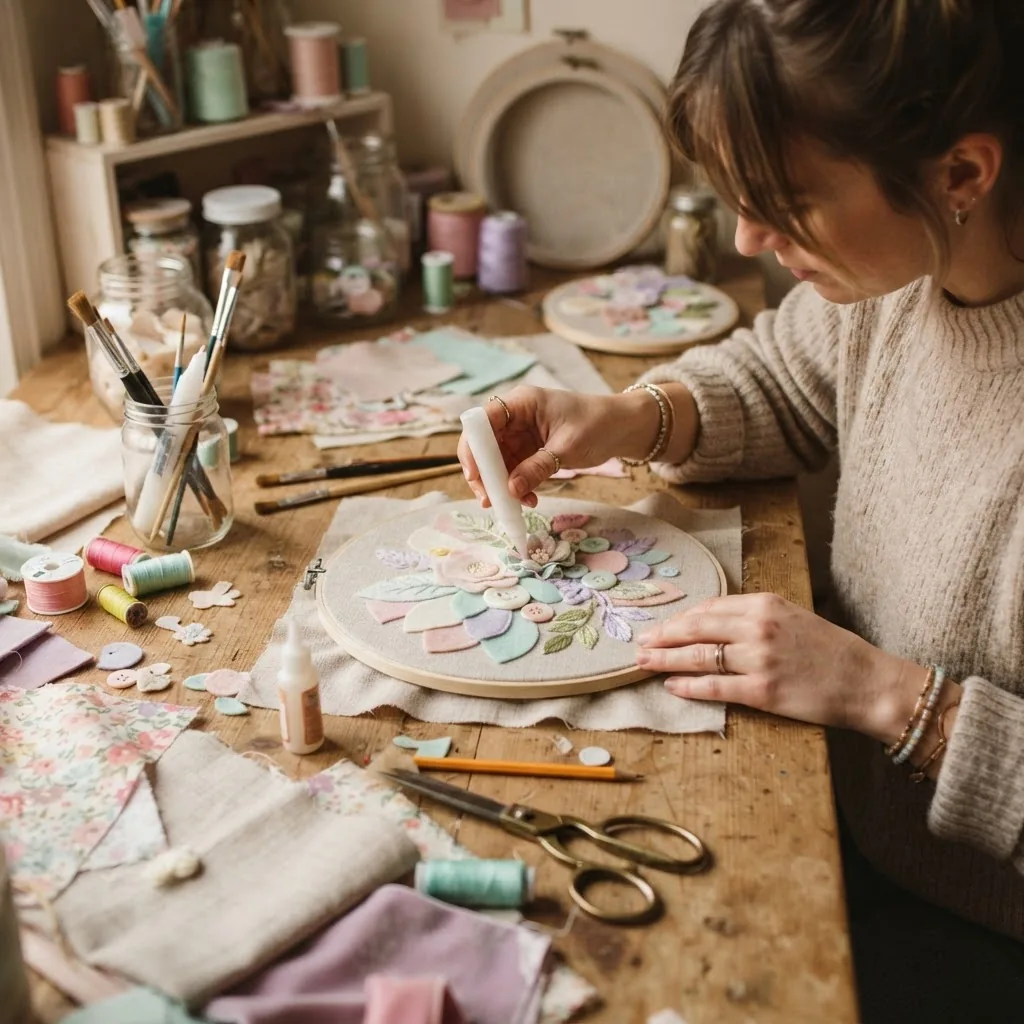
Easy DIY Decor Projects for a Cute Room
Project A — Pastel Canvas Wall Art (2–3 hours; cost $15–$35)
- Gather materials: two 30×40 cm canvases, acrylic paints (3 small tubes in chosen pastels), painter’s tape, foam brushes, a ruler, and a damp cloth.
- Block the canvas: tape geometric shapes (triangles/stripes) with painter’s tape; press edges firmly to prevent bleed.
- Paint and dry: apply two thin coats (3–5 minutes drying between coats). Allow 30 minutes to dry, then remove tape slowly at a 45° angle.
- Seal: optional matte acrylic varnish spray applied 20–30 cm away for even coat, dry 1 hour.
Result: two coordinated pieces you can hang as a pair above a bed or sofa.
Project B — Personalized Throw Cushions (2–4 hours per cushion; cost $10–$25 each)
- Materials: 45×45 cm cushion inserts, 0.6–0.8 m fabric (linen-cotton blend), fabric glue or sewing kit, zippers (optional), and printed iron-on motifs.
- Cut and sew/glue: cut two 46×46 cm squares to allow 1 cm seam. Sew edges with 1 cm allowance or apply fabric glue in 1 cm bead. Allow glue to set 30 minutes.
- Insert and finish: insert cushion; topstitch edge for durability (5 mm from seam).
Walkthrough note: I assembled three cushions in one evening using fabric glue and saved 50% compared to store-bought designer cushions.
Project C — Floating Shelf Display (1–2 hours; cost $20–60)
- Measure and mark: determine shelf height and centerline; use a level and mark studs where possible for secure anchoring.
- Install: drill pilot holes for anchors; install shelf bracket to support up to 15 kg (20–25 lb) per shelf. Test weight before styling.
- Style: group 3–5 objects with a mix of heights and textures — e.g., small plant, framed photo, stack of 2 books, decorative object.
Safety warning: if mounting above beds or seating, use studs and heavy-duty anchors; otherwise keep items lightweight to prevent hazards.
Upcycling and Repurposing for Cute Decor
Upcycling saves budget and creates a unique aesthetic. Ideas:
- Refinish an old dresser: sand, prime, and paint with chalk paint; replace hardware with brass knobs for $10–$30.
- Turn vintage scarves into wall hangings: mount on a wooden dowel with textile-friendly Velcro strips.
- Convert mason jars into pendant lights with passive LED bulbs (battery-operated for safety) to avoid rewiring.
affordable and DIY bedroom decor offers more project templates for larger refreshes.
Budget-Smart Shopping Tips
- Shop off-season: buy warm throws and heavy fabrics in summer for 30–50% discounts.
- Set a $300 primary budget for a small room refresh: $120 on paint and minor hardware, $80 on textiles, $100 on lighting and accessories.
- Use secondhand markets for statement pieces — allocate 1–2 weekends for scouting.
stylish and functional home displays are perfect when organizing upcycled items into intentional vignettes.
Safety & methodology: for craft tool usage and workshop safety best practices, consult Crafts Council resources and wear protective gear for cutting and sanding.
Transition: After you’ve refreshed surfaces and made a few handmade accents, consider how seasons and events influence cute decor choices so you can rotate pieces efficiently.
-
Plan seasonal edits so the room feels fresh year-round.
Seasonal and Themed Variations of Cute Room Decor
Adapting a cute room for seasons keeps it lively without a full redesign. Below are practical seasonal switches and quick exchanges that take 30–120 minutes.
Spring and Summer Cute Room Refreshes
Actions:
- Swap heavy throws for lightweight cottons or linen; switch to sheer curtains to increase daylight.
- Add botanical accents: small potted herbs or faux boxwood for low maintenance; allow 30 minutes to style window plants.
- Introduce brighter accent pillows (one or two) in coral or turquoise to add seasonal punch.
summer decorating ideas can steer color swaps and accessory choices.
Cozy Fall and Winter Cute Decor Ideas
Actions:
- Switch to warmer linens and wool-blend throws; add a chunky knit blanket (weight ~1–2 kg) to a chair for tactile depth.
- Use warm, amber-hued bulbs (2200–2700K) and add one or two candlesticks for mood (real candles only where safe).
- Introduce natural textures — wicker baskets, faux-fur cushions — and swap pillows to deeper tones like burgundy or forest green.
autumn decorating ideas help start seasonal transitions at the entry point for cohesive home styling.
cozy fall decorating tips expand on living room techniques for deeper seasonal warmth.
Festive and Special Occasion Themes
Actions:
- Use removable elements: vinyl decals, temporary banners, and cushion covers to create a festive look in under 90 minutes.
- Designate one vignette for celebration (mantel or shelf) and change only that focal area to avoid over-styling.
comfortable and inviting home decor ideas pair well with holiday staging without losing the room’s core identity.
Transition: Seasonal edits are quick when the foundation is strong. Next we’ll add durable personalization techniques so your room remains meaningful and functional.
-
Personalize and layer textures for lasting appeal.
Personalizing and Styling Your Cute Room for Lasting Appeal
Personalization makes a room feel like yours — the design decisions below help keep the aesthetic while supporting everyday function.
Incorporating Personal Touches and Keepsakes
Strategies:
- Create an accessible keepsake shelf: limit to 5–7 meaningful objects; rotate quarterly so displays stay fresh.
- Frame personal photos in a consistent frame style and layout to maintain cohesion; use archival mats for longevity.
- Label storage with attractive tags to keep sentimental items protected and organized.
Layering Textures and Patterns
Think of layering cushions and throws like dressing your room in cozy sweaters: start with a neutral base, then add one large pattern and one small-scale pattern plus a textured solid.
- Texture rule: combine at least three different textures (e.g., linen, knit, faux fur) in a sitting area for depth.
- Pattern scale: ensure the largest pattern occupies at least 40% of the patterned visual field to avoid crowding.
Balancing Functionality with Cuteness
Trade-offs are real: a tufted velvet sofa looks cute but may show wear in a family room. Choose high-traffic-friendly fabrics (e.g., performance linens, treated cotton blends) for everyday pieces and reserve delicate textiles for low-use accents.
modern and elegant design styles demonstrate how neutral tones can read cute when layered thoughtfully.
Case study: I staged a 12 m² teen bedroom with a pastel theme using a $250 budget: $60 paint, $70 textiles, $40 lighting, $80 accessories. The result created a youthful, functional space with storage integrated: under-bed drawers and two cube shelves for school supplies.
Transition: With personalization complete, you should validate your work against common pitfalls and a practical checklist before declaring the project finished.
-
Complete the project, check for common pitfalls, and finalize.
Conclusion and Final Tips for Creating Your Perfect Cute Room
Recap: choose a clear theme, build a three-tiered color palette, prioritize functional furniture and layered textiles, add lighting in three layers, and finish with personalized accents and safe, budget-friendly DIY projects. Test paint and textiles under different light conditions and schedule two review sessions: one immediate (day after styling) and one after two weeks to live with the layout.
Final CTA: start with a single 1–2 hour project (new cushion covers or a gallery wall) to build momentum; small wins guide bigger decisions.
Common mistakes and how to avoid them
I once painted an entire room a single pastel without testing evening light; it read muddy after dusk. Now I always test swatches in both day and artificial light for 48 hours. I also learned to measure circulation paths first — leaving only 30 cm led to cramped movement; now I aim for at least 60 cm in living areas.
I used too many character items in a kawaii layout and it became chaotic. My fix: limit character-heavy pieces to one staging zone and use neutral anchors elsewhere.
Checklist before you call it finished
- Walls: one cohesive dominant color applied with no patchiness; swatches viewed at morning and evening light.
- Furniture: circulation cleared 60–75 cm; multi-function storage installed as planned.
- Lighting: ambient + task + accent present; dimming or layered control tested.
- Textiles: at least three textures present; cushion arrangement follows the 3–5 rule.
- Safety: shelves anchored, heavy items placed low, cords managed, and bulbs within rated wattage.
- Photography: before-and-after pictures taken for future reference and sale value.
When to call a professional
- Electrical work requiring new wiring or dedicated circuits — call a licensed electrician.
- Structural changes (removing walls, altering load-bearing elements) — consult a structural engineer and contractor.
- Complex custom cabinetry or built-in shelving that needs precision beyond standard DIY — contact a cabinetmaker or experienced carpenter.